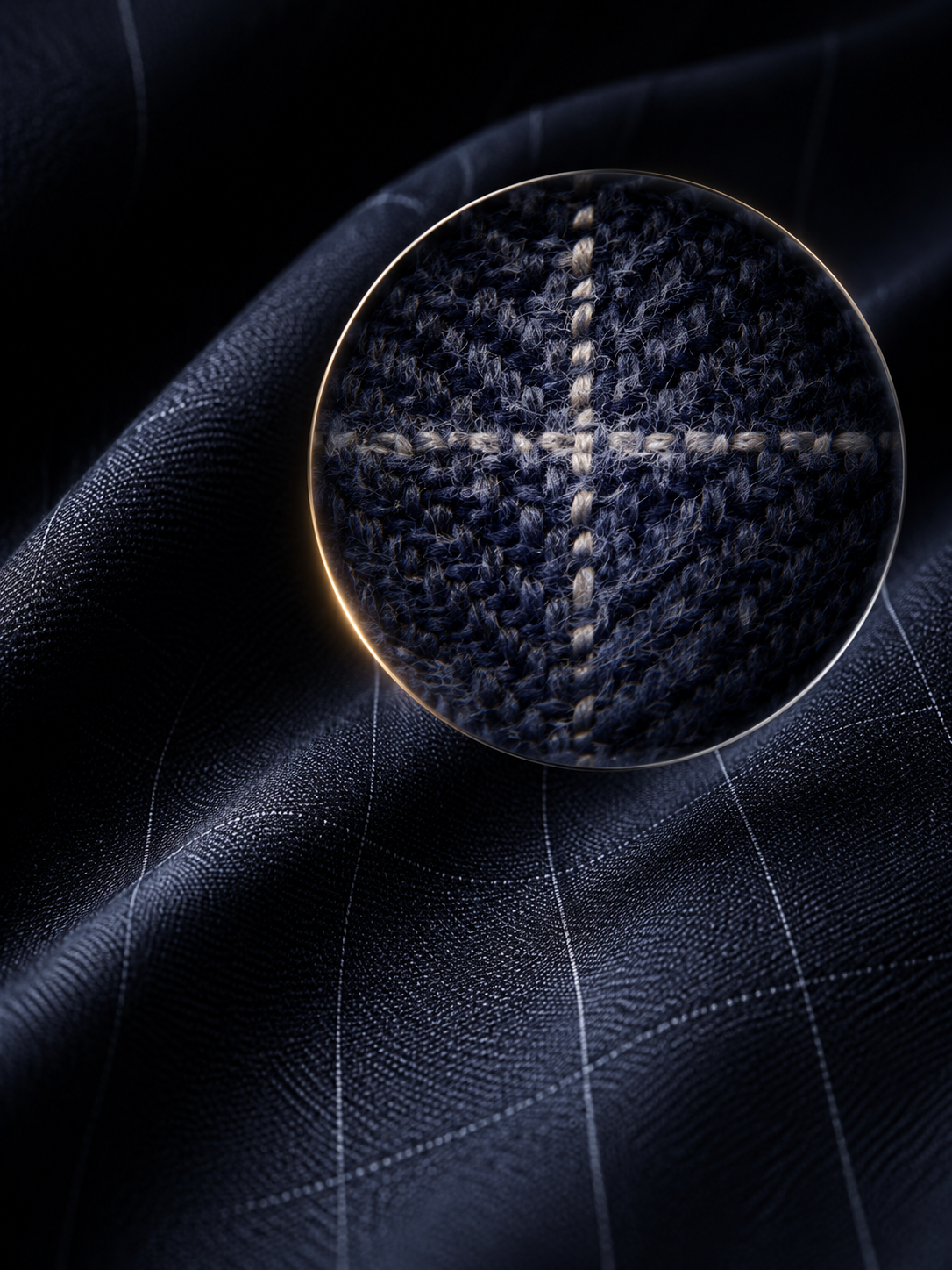
TheProcess.
Long before a length of cloth reaches a maker's cutting table, it passes through seven distinct hands in the mills of England and Italy. This is that journey, step by step — from raw natural fibre to finished fabric.
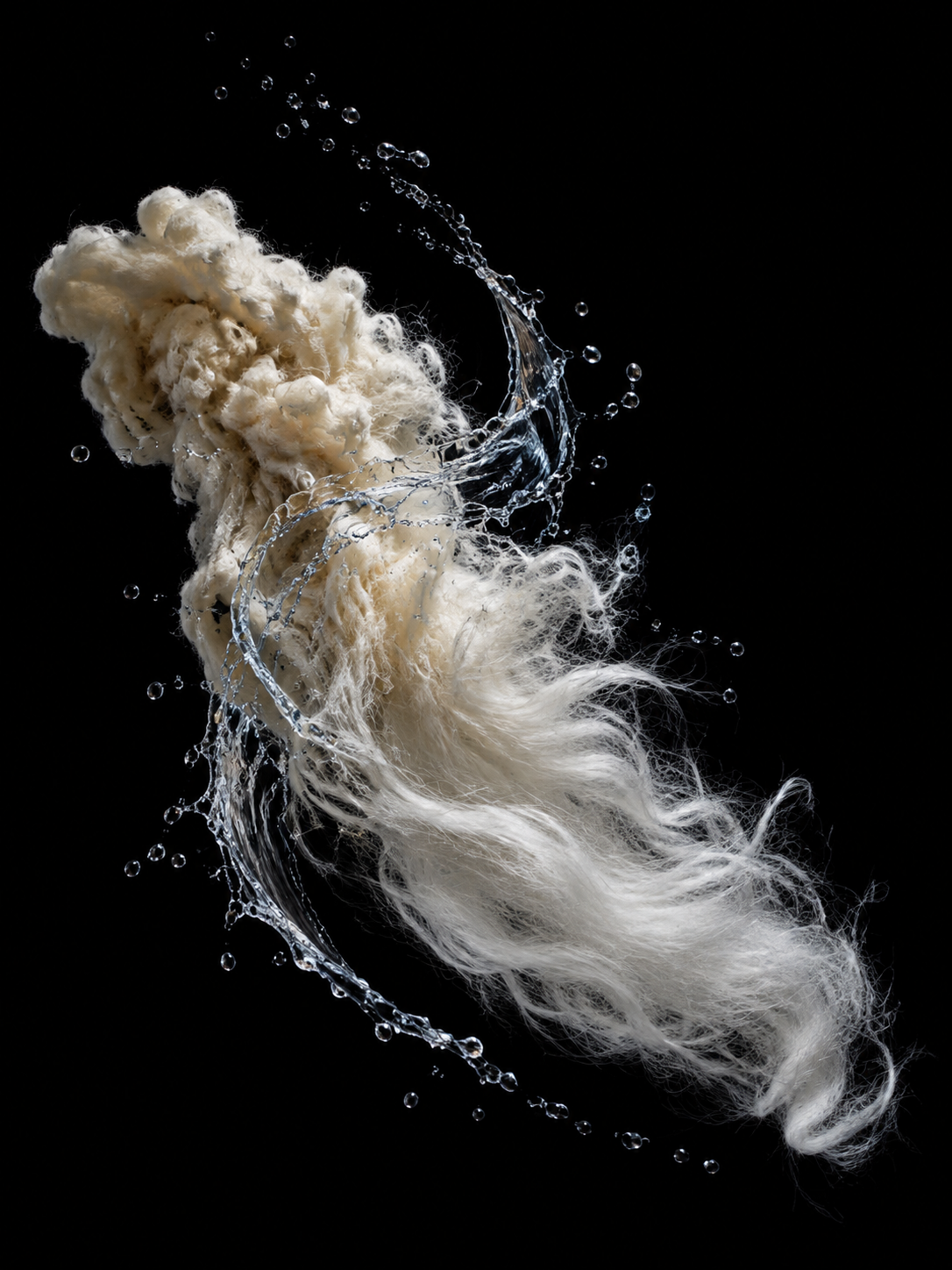
Washing
The first phase is the bridge between nature and manufacturing, and it asks for patience. Rotating drums and water do the work: freshly shorn fleece is washed until every natural residue and impurity is carried away, leaving a raw material clean enough to be turned into thread.
Gilling & Combing
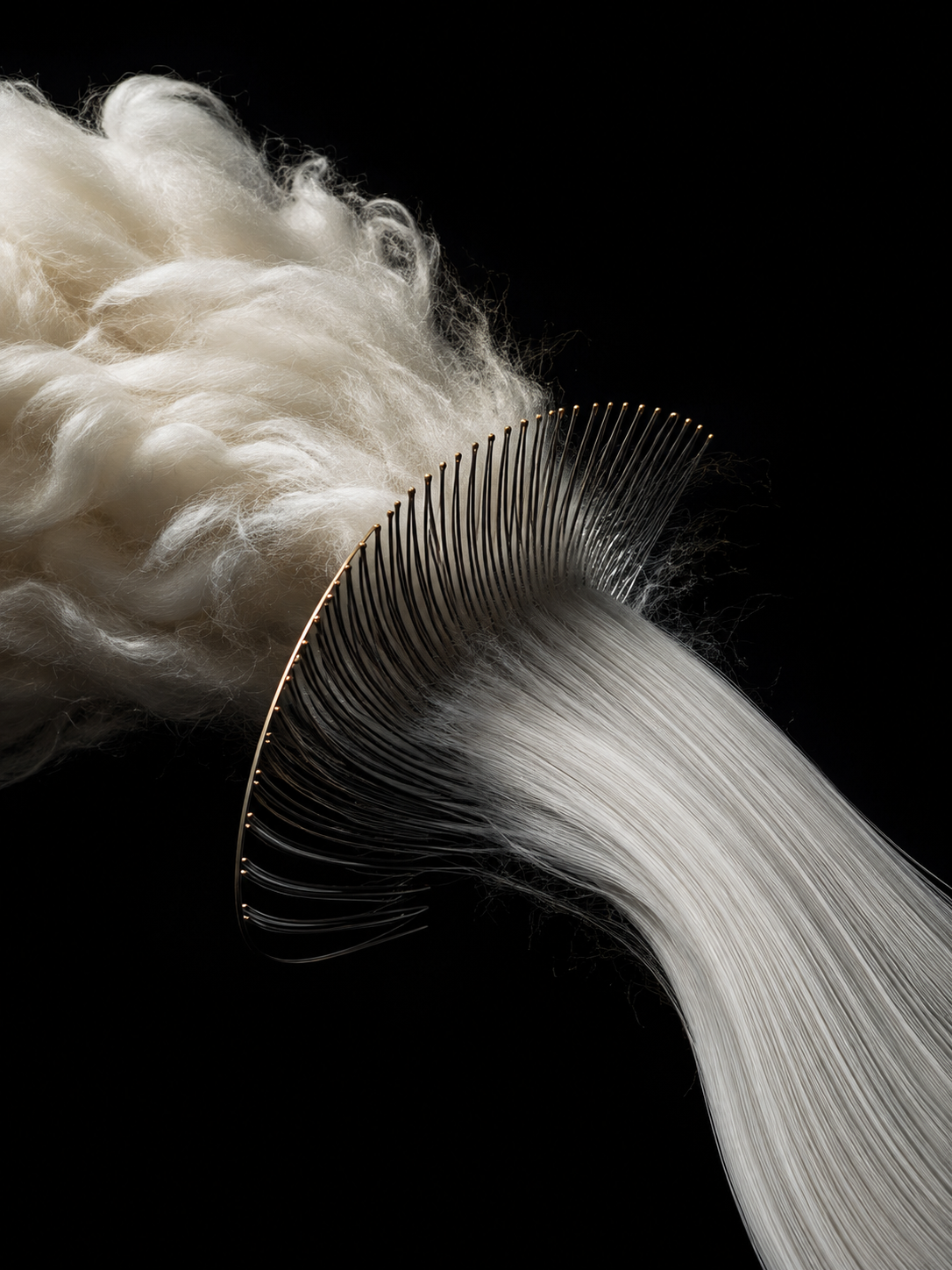
The purified wool passes through the combing card and emerges as a carded ribbon. Fine combs draw the fibres parallel and discard the shortest of them. What remains is called a top — and its quality decides the durability of everything that follows.
Spinning
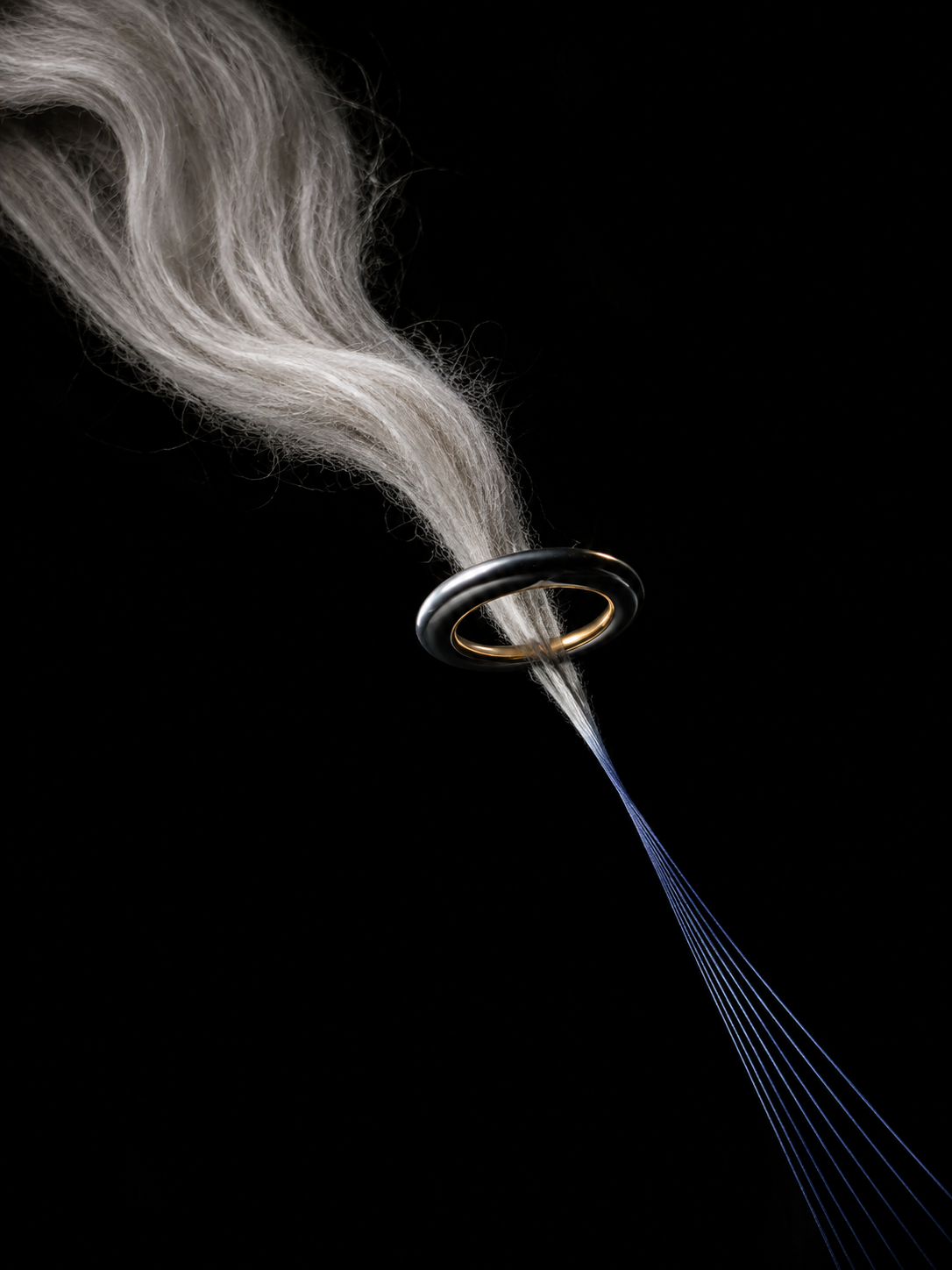
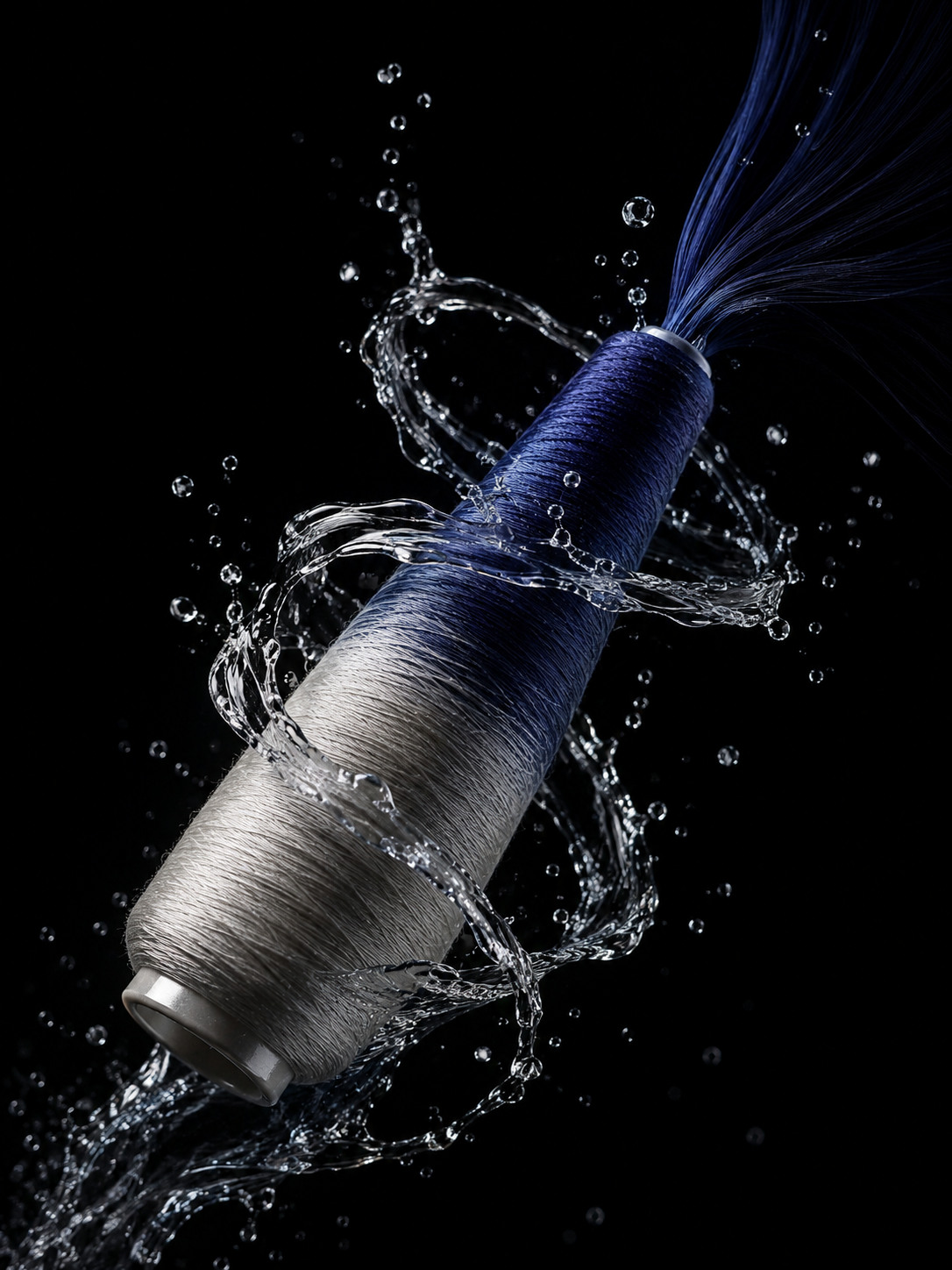
Tops are coupled, pulled and brushed again until they reach an ideal cleanliness and diameter. Then comes the twist. Threads are often paired and spun a second time to create a stronger, twisted yarn — a spool of semi-finished material transformed into valuable thread.
Dyeing
Colour arrives in one of two ways. Yarn dyeing — in top or on the spool — is slow, and rewards the patience with three-dimensional colour and quiet variation across the cloth. Piece dyeing gives a cleaner, more homogenous look. A specialist compares each batch against the sample and stops the moment the intensity is right.

Warping
Weft and warp are the two elementary units of cloth. Warping tolerates no error: a single thread out of place among thousands would show plainly in the finished piece. Laser sensors watch every spool until the warp is wound onto the great cylinder known as the beam.
Weaving
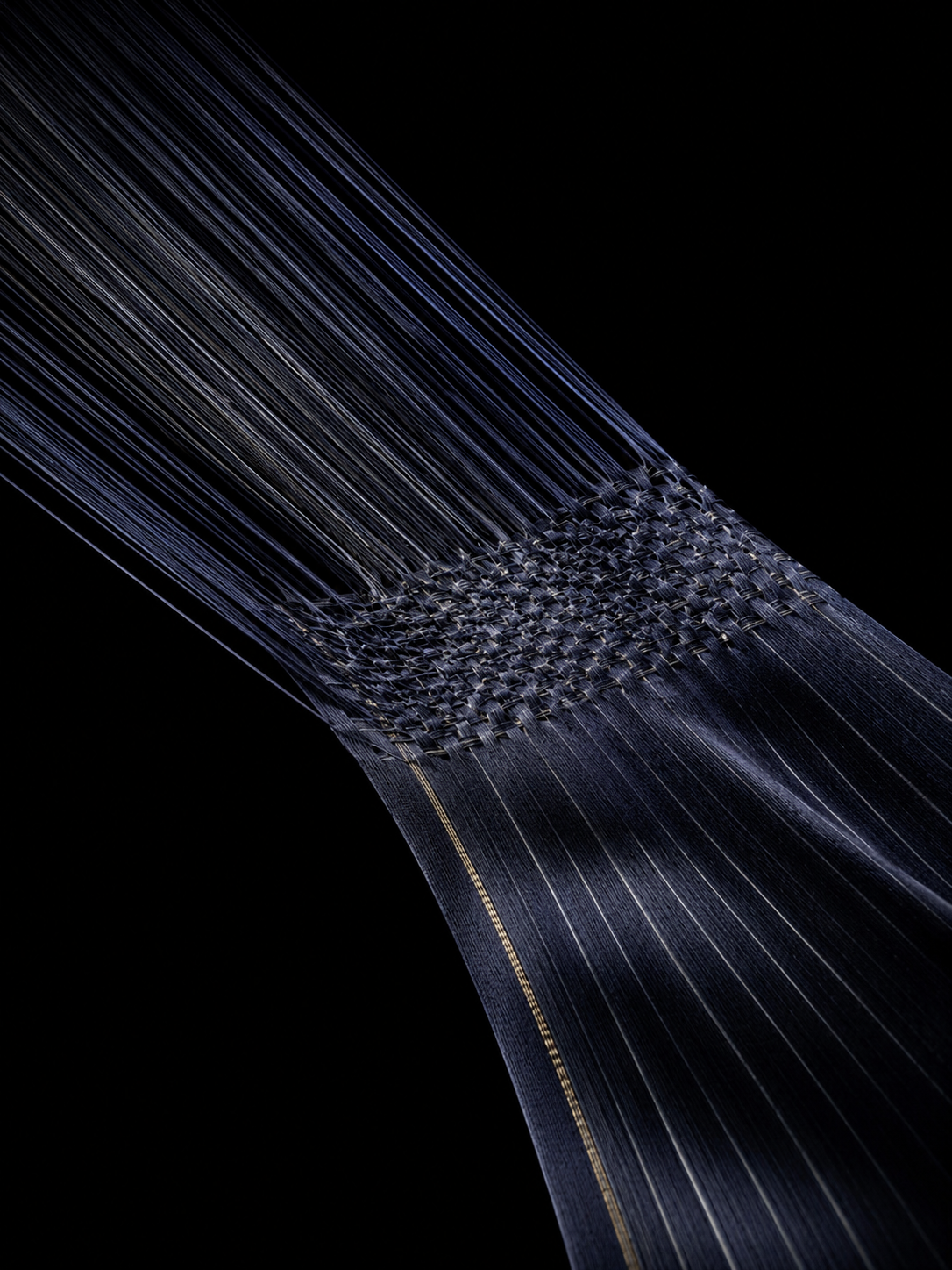
The transversal threads pass above and below the warp according to a precise schema set by the pattern. Blown through by compressed air, each pick is lifted at exactly the right instant, and a broad brush strikes it home. It is a precise and extraordinarily swift dance — thread becomes fabric in seconds.
Finishing
Menders search the cloth by hand for defects and correct them, a practice unchanged for centuries. Summer cloths are singed of stray fibres; winter cloths are fulled in hot soapy water to soften their shine and lend weight. Stretching and decatising follow. These last phases turn quality into character — the cloth finally becomes itself.